


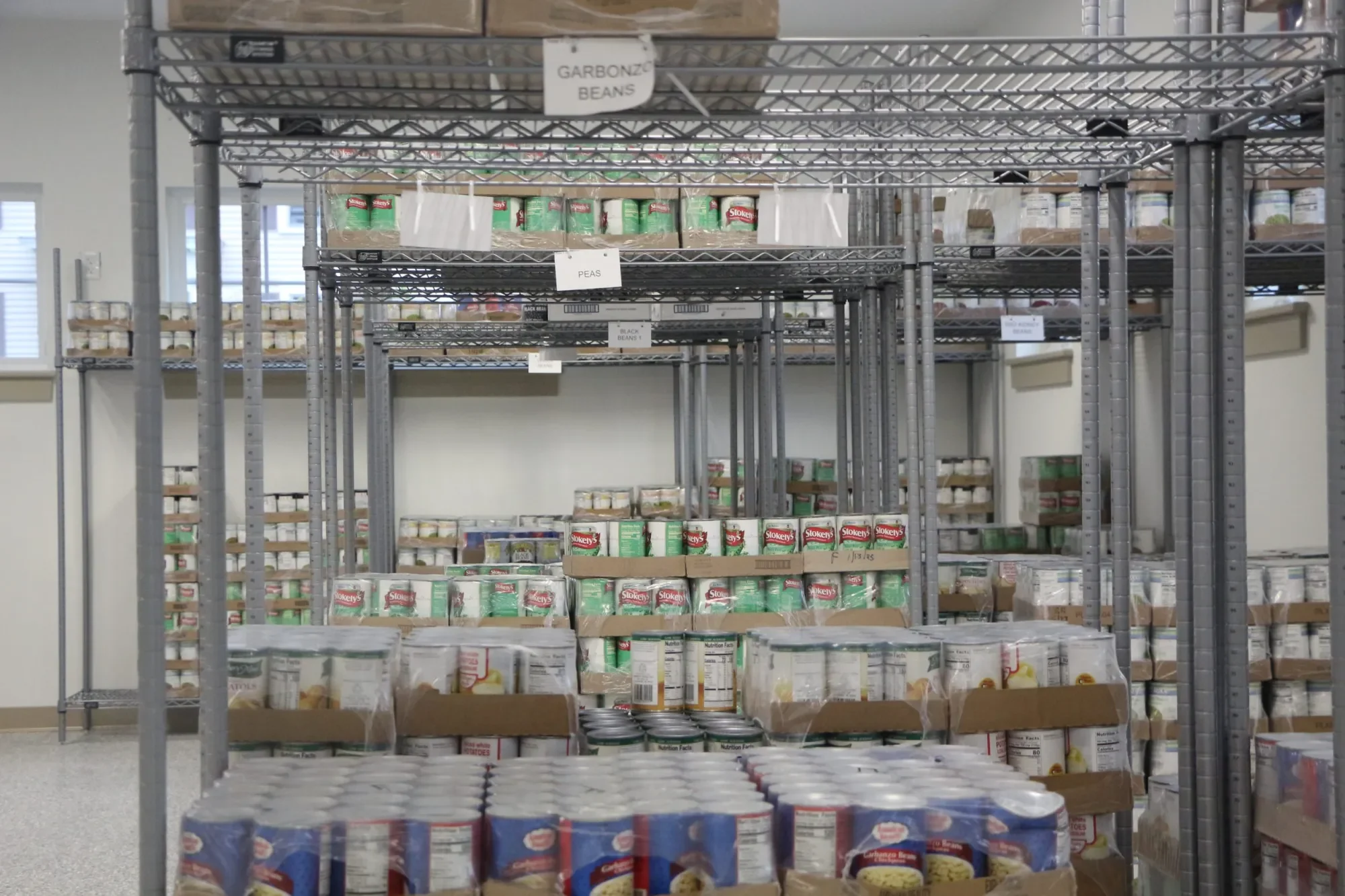

SNAP Eligibility Changed This Month for Many
CONCORD — Some people on the Supplemental Nutrition Assistance Program may find their food benefits this Thanksgiving are at risk due to a new federal work requirement law.
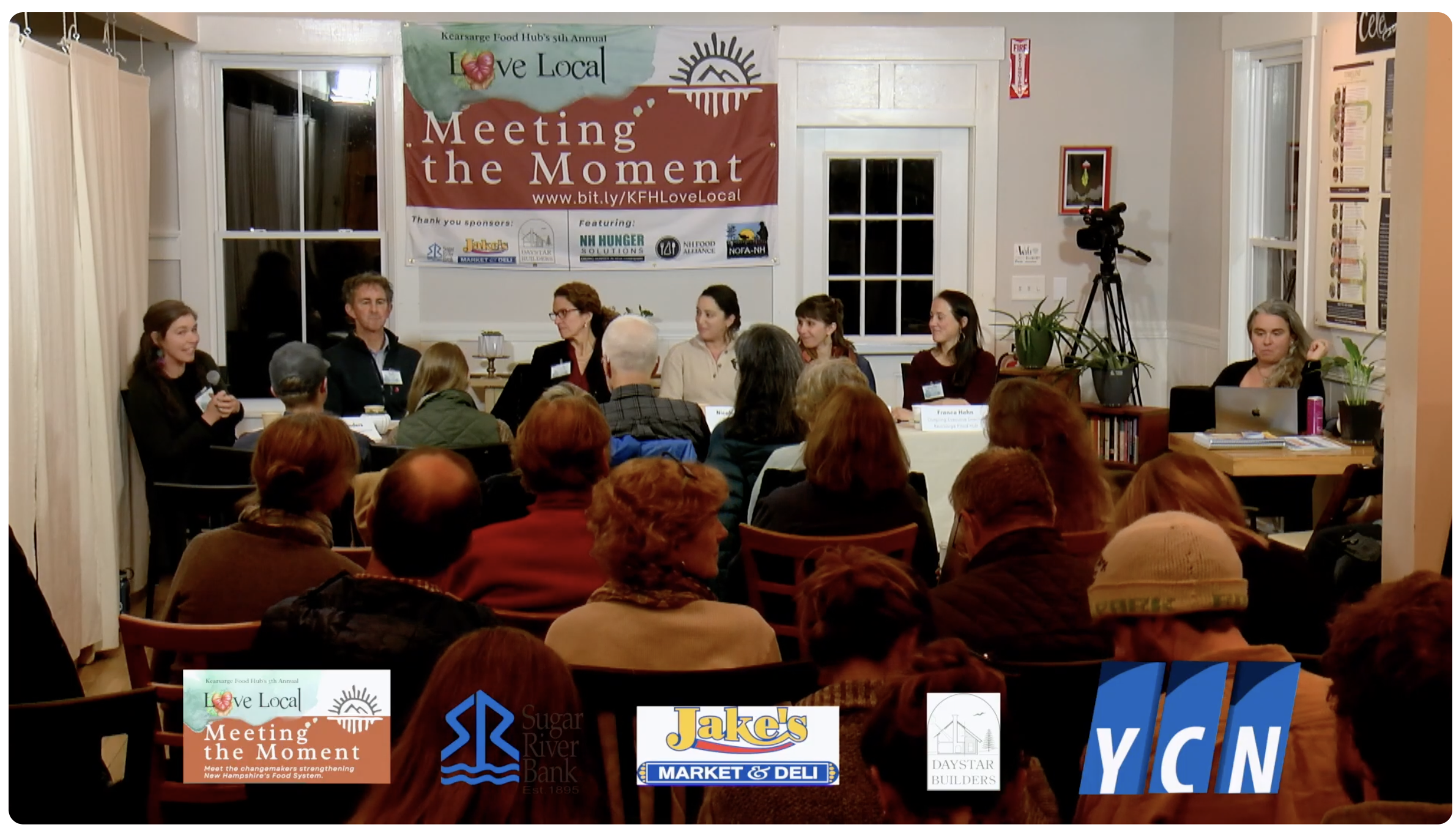
Meet the changemakers strengthening the New Hampshire food system…
View this recording of the Kearsarge Food Hub's 5th Annual "Love Local” event. Featuring: Laura Milliken, Executive Director of NH Hunger Solutions Nicole Cardwell, Director of NH Food Alliance Nikki Kolb, Director of NOFA-NH France Hahn, Executive Director of the Kearsarge Food Hub.
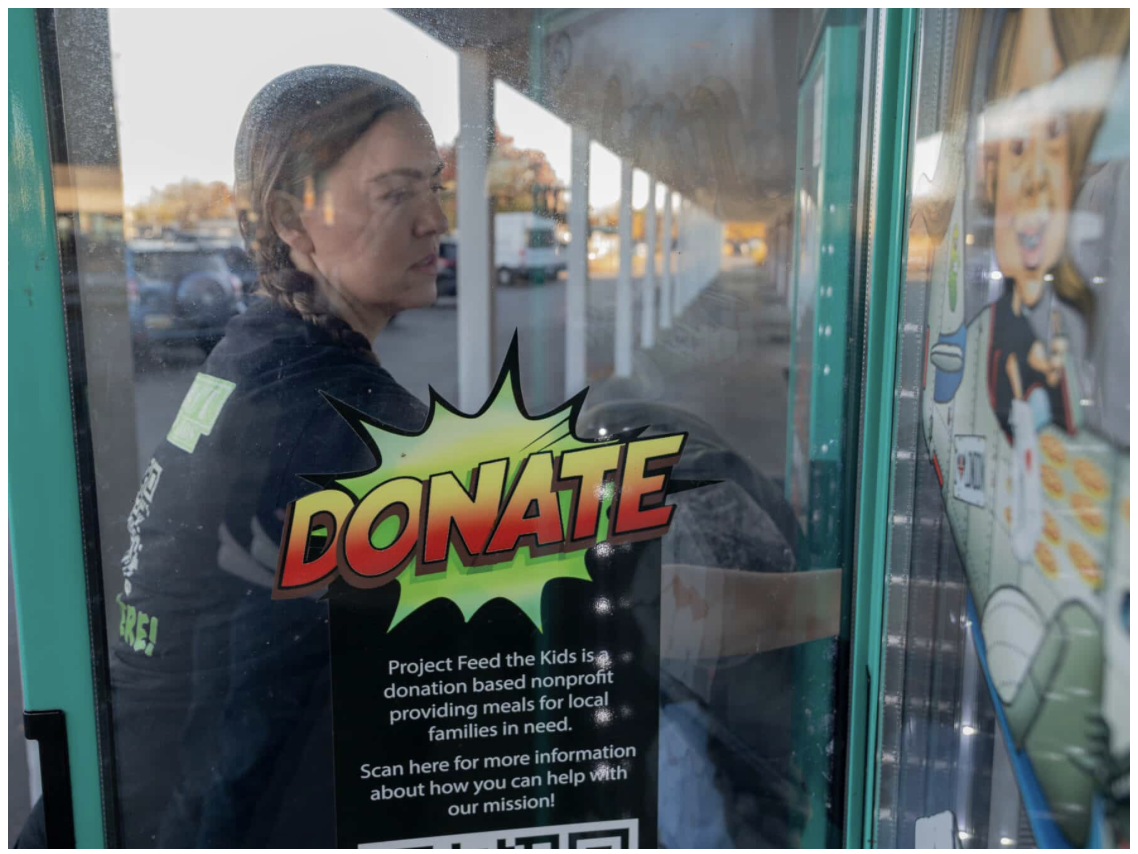
As SNAP Benefits Lapse, Rural Americans Step Up to Meet Their Neighbors’ Needs
As the federal government shutdown stretches into a record-breaking seventh week, across the country 42 million Americans whose food assistance benefits expired on November 1 are scrambling to put food on the table.
Advocates Say Food Crisis Does Not Have to Happen
CONCORD — State advocates fear the current food pantry system is stressed now and may be overrun if food stamp benefits end due to the government shutdown.

NH to help SNAP recipients if government shutdown halts November benefits
The Department of Health and Human Services announced its plans Thursday to partner with the New Hampshire Food Bank to make up for the delayed federal funds.

‘We need to know who’s hungry’: NH advocates react to the end of the USDA food insecurity survey
Earlier this month, the U.S. Department of Agriculture announced it was cutting its annual survey tracking hunger across the US.
In New Hampshire, families who rely on SNAP may go hungry. Others will be affected, too.
Economic fallout from changes to federal program will hit farmers and grocers as well as families in the program

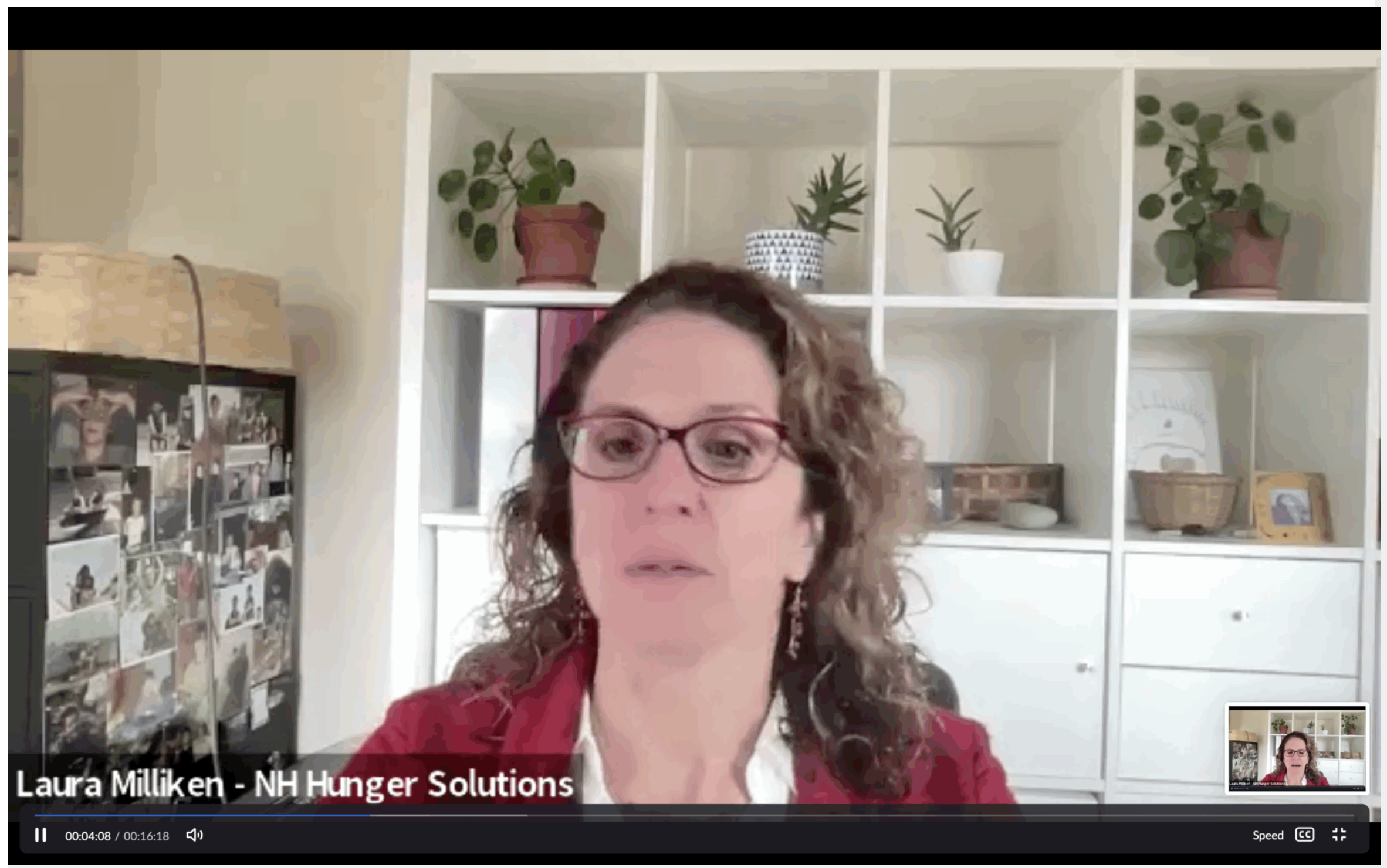
Congressman Chris Pappas quotes NHHS’ Laura Milliken
NHHS’ Laura Milliken’s quote is featured in this Facebook reel by Congressman Chris Pappas…
PODCAST: New Hampshire Uncharted -Episode 5- Confronting Hunger in the Granite State
Food insecurity in New Hampshire is rising…again. After the COVID-19 pandemic aid briefly lowered hunger rates, food insecurity has rebounded to pre-pandemic levels, with more than 42,000 Granite State households struggling to afford enough to eat. The effects are far-reaching, ranging from health challenges to educational setbacks for children. A new analysis from the New ...
Hunger organizations warn federal cuts to SNAP funding impose costs ‘New Hampshire simply cannot afford’
Federal changes to the Supplemental Nutrition Assistance Program could cost New Hampshire an additional $14 million over the course of the next two years.

NH DHHS Announces Availability of Summer EBT
Summer EBT aims to provide access to nutritious food during the summer months, ensuring that eligible children in New Hampshire can continue to access critical nutrition when school is not in session.

NH Farm to School Aims to Build Appetites for Fresher Foods and Local Connections
Robie Farm has raised beef, pork, and poultry in Piermont since 1870. Twelve miles up Route 10, sandwiched between the Connecticut River and the Appalachian Trail, the Haverhill Cooperative Middle School has served lunches to adolescents since 1968.

A New Era of Hunger Has Begun
Parts of Easthampton, an old mill town in western Massachusetts, look like relics of industrial New England — the old workers’ rowhouses, for instance. In other parts, it seems like a place in renaissance, with converted factory buildings spruced up and reinhabited by art galleries, restaurants, shops.
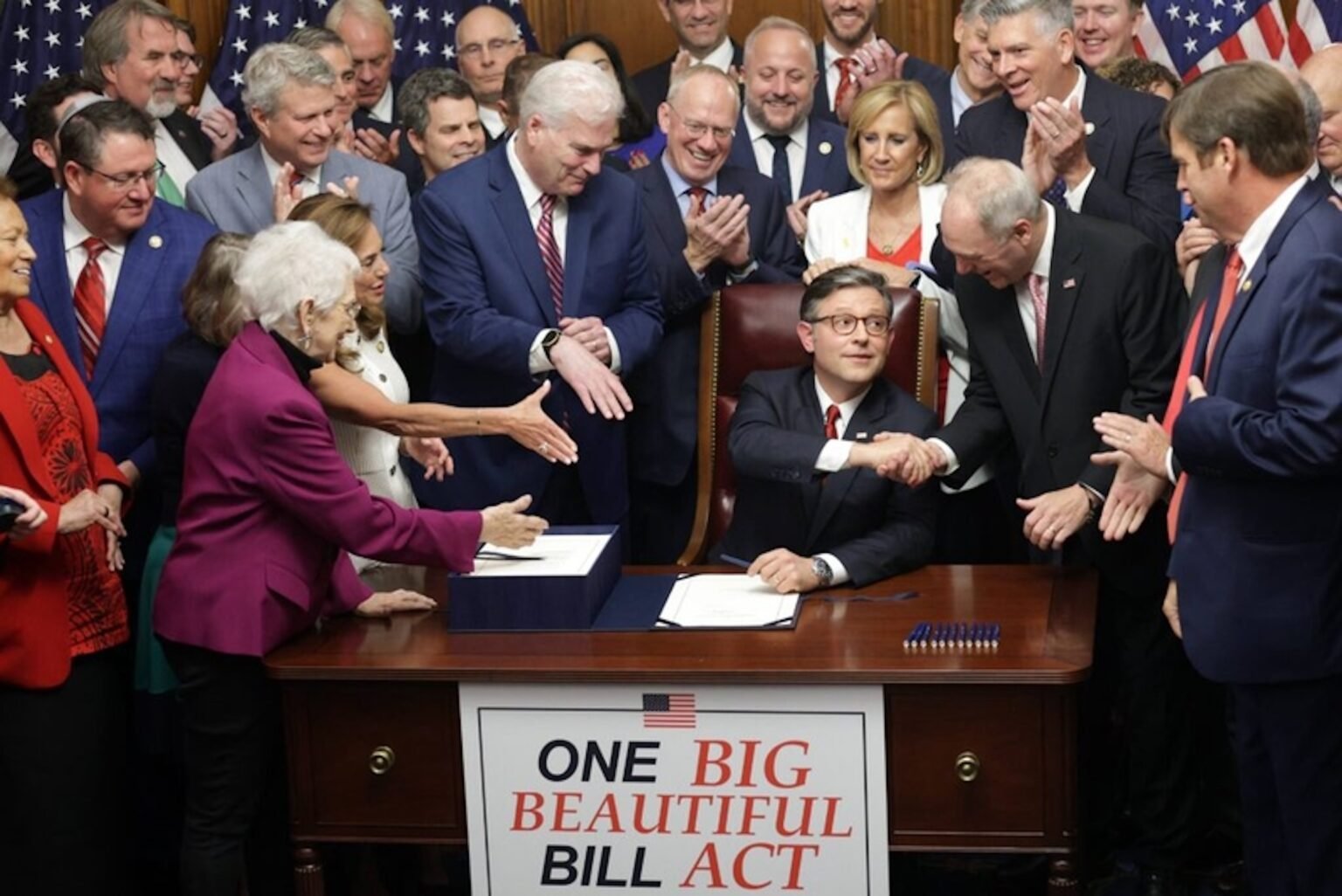
Congress passed Trump’s massive ‘big beautiful bill.’ Here’s how New Hampshire will feel it.
IWhen Michelle Lawrence heard about the Medicaid cuts included in the Republican tax and spending bill signed into law on July 4, it felt like “a punch to the gut.”
“I laugh, because if I don’t laugh, I cry,” she said.
Lawrence, who lives in Henniker, was diagnosed with a chronic form of cancer called T-cell lymphocytic leukemia 16 years ago. She said she lost her job about five years ago because the cancer was making it too difficult for her to work. And in losing her job, she lost her health insurance because she couldn’t afford COBRA coverage or anything on the marketplace.
“So I applied for Medicaid, which has been a major lifeline for me,” she continued. “That has enabled me and a lot of other cancer patients like me to be able to access the treatment needed in the past few years. I’m here. I’m alive and a contributing member of society. … Without Medicaid, I wouldn’t be able to afford my treatments or go to the doctor.”